

This World Suicide Prevention Day, Professor Michael Eddleston shines a light on the vital but often overlooked work of pesticide regulators, who are making one of the biggest contributions to global suicide prevention.
Warning: this article discusses suicide, which some people may find distressing. To find a local helpline, please visit www.findahelpline.com

I first met Gamini Manuweera over 20 years ago.
He and I were both trying to solve the same problem but, until that point, had taken very different approaches.
Back then, Sri Lanka had one of the highest suicide rates in the world. This was largely driven by deaths from pesticide self-poisoning, one of the world’s most common – although frequently overlooked – methods of suicide.
As a clinician and a researcher, I assumed the answer lay in healthcare. I had been exploring new and better treatment options, but with very little success.
Gamini had taken a very different approach.
At the time, he was Sri Lanka’s pesticide regulator, working within the Department of Agriculture. It was his job to decide which pesticides could be sold and used.
Suicide prevention was therefore not within his official remit. However, he recognised that he was one of the few people who could actually do something about these deaths.
Long before I was even aware of the problem, Gamini had begun to carefully and methodically introduce bans on Sri Lanka’s most deadly pesticides, ensuring safer alternatives were available. This approach, often referred to as ‘means restriction’, limited access to what was a highly lethal method of suicide.
The results were staggering. Sri Lanka’s overall suicide rate fell dramatically, with 93,000 lives saved over 20 years.
Global experiences of pesticide suicide prevention
Gamini may have been one of the first pesticide regulators to realise they could make a difference, but he was not the last.
Over the years, the Centre for Pesticide Suicide Prevention has worked with many fantastic regulators who have had the foresight and understanding to recognise that their decisions can save lives.
This includes Dr Dilli Ram Sharma, who, in 2019, acted on evidence from a CPSP study to ban a number of pesticides responsible for suicides in Nepal. Since retiring, he has continued to work with us, supporting further action by his successors.
We have also seen that Sri Lanka’s success is not a one off.
In the 1990s and 2000s, 21 pesticides were partially or completely banned in Bangladesh. As a result, 35,000 lives are thought to have been saved deaths between 2001 and 2014. The benefits of these regulations are still being felt today.
In 2011, the South Korean government banned the sale of a specific deadly pesticide, which was responsible for the majority of pesticide suicides. Over the next two years, the pesticide suicide rate halved.
China has historically had a high suicide rate, with pesticide poisoning a leading method of suicide. However, the country’s suicide rate has fallen substantially since the introduction of stronger pesticide regulations, which are saving more than 100,000 lives every year
Impressive work in face of challenges
Despite their important role in suicide prevention, it is not always easy for pesticide regulators to act.
In many countries where pesticide suicide is a serious problem, there simply isn’t the capacity. There may be just one or two regulators responsible for the entire country.
Poor surveillance systems and a lack of reliable data can make things even harder. Without the evidence to back it up, it can be very difficult for them to justify a ban.
At the same time, regulators are being constantly pressurised by the pesticide industry, which understandably does not want its products banned. Manufacturers argue that it is not the pesticides that kill people, rather their ‘misuse’ or ‘abuse’ by farmers. But this is just shifting the blame.
Farming communities can also resist bans. They have been convinced – largely by the pesticide manufacturers – that these toxic pesticides are essential for farming. They therefore fear for their crops and livelihoods, despite the known health risks.
With all these challenges, and with suicide prevention often seen as a healthcare issue outside their remit, it is easy to understand why pesticide regulators do not always find it straightforward to act.
When pesticide regulators do therefore take action, it is all the more impressive.
Giving credit and recognition to pesticide regulators
I often receive a lot of credit for the work I have done over the years to prevent pesticide suicides. However, the true champions are the men and women who ultimately take the decision to limit access to these highly lethal means of suicide.
It is time they got more credit.
These regulators work quietly behind the scenes, with little fanfare or recognition. However, their work can have a tremendous impact, making a lasting contribution to global suicide prevention.
This World Suicide Prevention Day, the Centre for Pesticide Suicide Prevention is shining a light on just some of the many regulators around the world who are taking action and making a difference. By celebrating their work, we hope that it will inspire others to follow their lead.
They include:
- Dr. J.A.Sumith, one of Gamini’s successors in Sri Lanka. He was not only responsible for further bans on highly hazardous pesticides in Sri Lanka, but also played an important role in the listing of two pesticides under the Rotterdam Convention.
- Ms. Zinhle Gama, who has been spearheading work in Eswatini. Through her leadership, four highly hazardous pesticides have been identified and proposed for regulatory action, to prevent poisonings and deaths.
- Mr. Hasmath Ali, who is implementing a national roadmap for highly hazardous pesticides in Trinidad and Tobago. Among other benefits, the roadmap aims to reduce access to highly lethal pesticides used in suicide and self-harm.
- Dr. Federico Alejandro Moncada Chévez, who is raising awareness of pesticide poisoning and suicide in Honduras and promoting stronger regulatory action on highly hazardous pesticides.
- Mr. Raphael Mwezi, who has spearheaded research into pesticide poisoning in Tanzania, showing that intentional pesticide poisoning is a major issue.
- Mrs. Fadila M. Kurfi, who helps lead the work of Nigeria’s National Agency for Food and Drug Administration and Control (NAFDAC), which banned three highly hazardous pesticides in 2020, and is currently considering further bans.
- Mr. Kenneth Chipere, who played a key role in developing Zimbabwe’s national strategy to mitigate the risks posed by highly hazardous pesticides.
You can view the full list of profiles here.
It is time for these hidden heroes to receive the recognition that they deserve.
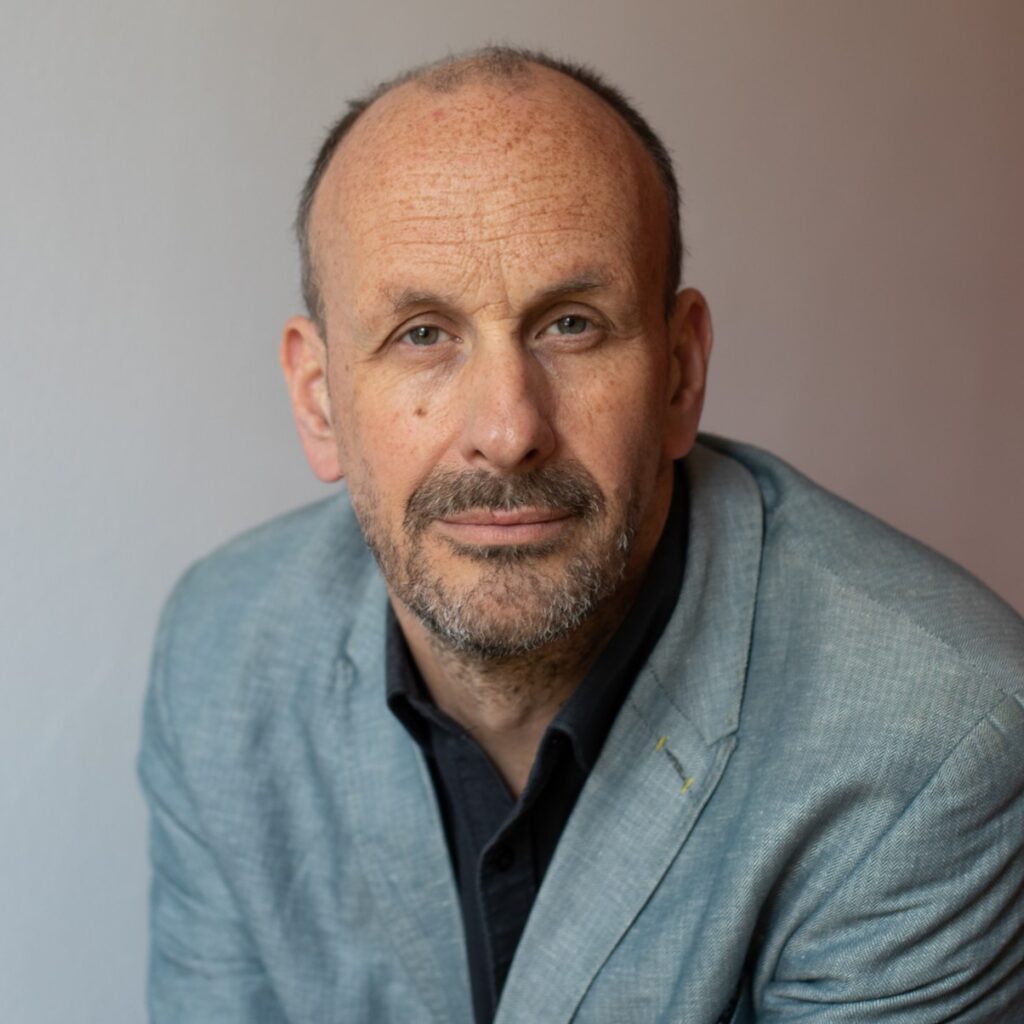
Professor Michael Eddleston
Director, Centre for Pesticide Suicide Prevention
Michael Eddleston is Professor of Clinical Toxicology at the University of Edinburgh. His research has covered the natural history of pesticide poisoning (ie. what happens after people ingest various pesticides), the medical treatment of poisoned patients, and strategies for prevention of deaths from pesticide suicides.