

The Government of Myanmar and the state government of Telangana in India have recently taken steps to restrict the use of highly hazardous pesticides.
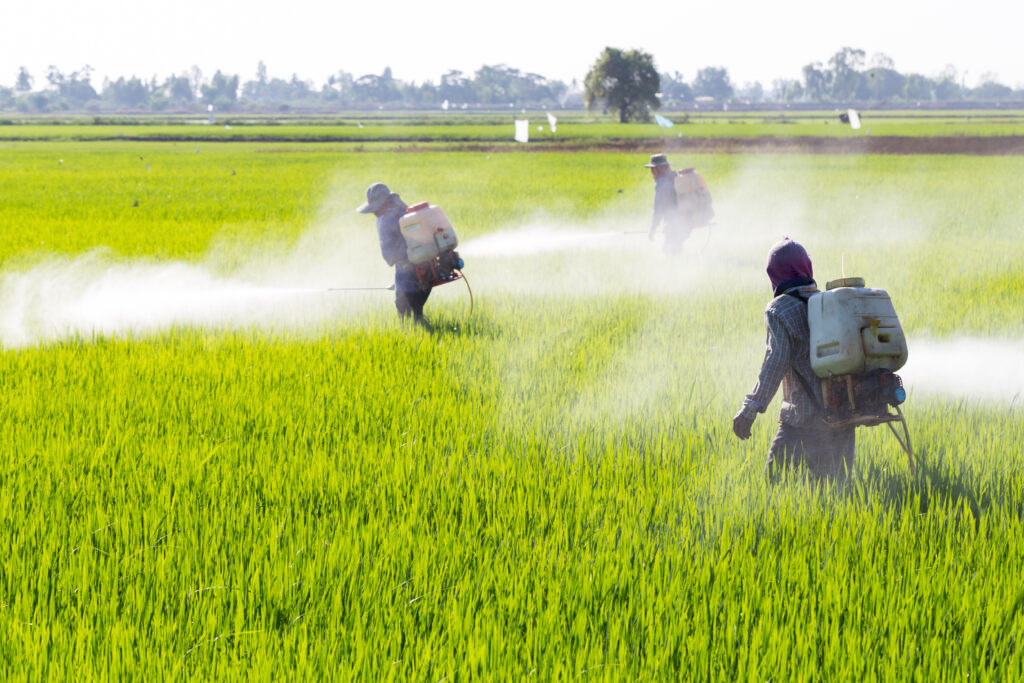
Myanmar has banned 55 hazardous pesticides, effective 1 April 2026, and Telangana has imposed a 60-day ban on the sale, distribution, manufacture, and use of paraquat, citing concerns over its harmful effects on public health and animals.
Responding to the bans, Professor Michael Eddleston, Director for the Centre for Pesticide Suicide Prevention (CPSP), said:
“We would like to commend Myanmar’s Ministry of Agriculture for taking this important step to protect public health by banning thes toxic pesticides. This continues Myanmar’s ongoing efforts to strengthen pesticide regulation and reduce serious health risks from hazardous chemicals. We also welcome the temporary ban on paraquat in Telangana, which highlights the importance of regulatory measures in reducing pesticide-related harm. These actions help prevent injuries from pesticide poisoning and suicides, and save lives. Evidence shows that safer alternatives are available without affecting agricultural productivity.”
Dhannya V Sasi, Project and Policy Officer at the Centre for Pesticide Suicide Prevention, said:
“Every paraquat poisoning represents a preventable loss. Telangana’s action signals a meaningful shift toward safer agricultural practices and stronger public health protection and serves as an important steppingstone toward broader national action.”
Myanmar has faced significant challenges with pesticide use, including unsafe handling by farmers, health risks from exposure, residues on crops, and harmful effects on soil and ecosystems. This latest ban builds on previous measures and highlights the government’s continued commitment to improving pesticide safety.