Celebrating women across the globe to prevent deaths from pesticide self-poisoning
Guiding governments to reduce pesticide risks
Name
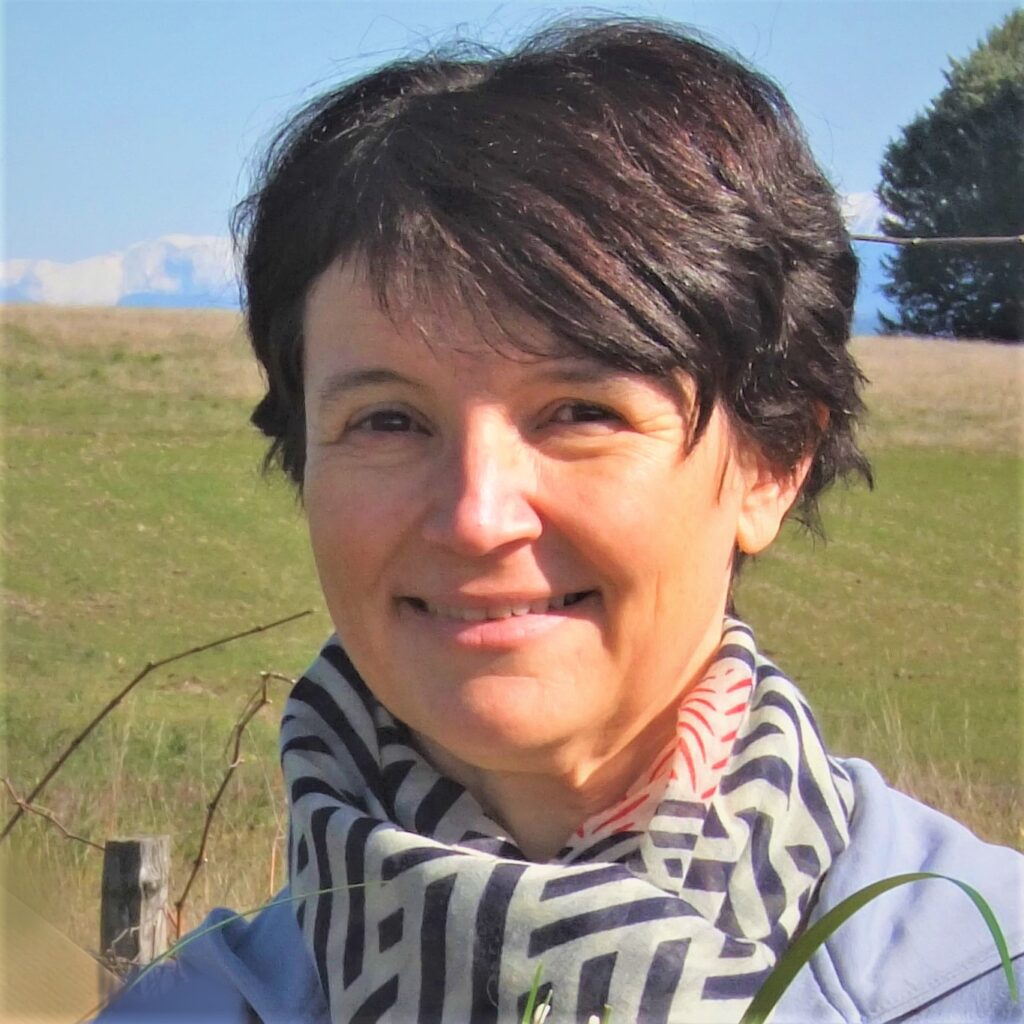
Beatrice Grenier
Job role
Consultant, Centre for Pesticide Suicide Prevention, University of Edinburgh, and Food and Agriculture Organization (United Nations)
Location
France
Tell us about your role?
I provide technical and policy guidance to governments in low- and middle-income countries, to reduce pesticide risks to the environment and human health, including suicides. In particular, I focus on strengthening regional capacity (through training and consultations) and fostering collaboration (among various sectors primarily: agriculture, health, environment) for addressing Highly Hazardous Pesticides that cause poisonings and death by suicide in West Africa.
Why is this work important to you?
Pesticides (although they are many) are among the few chemicals that are intentionally released to the environment, whether this is on agricultural fields or in homes. And they are inherently toxic! Some more than others: the Highly Hazardous Pesticides (HHPs). In addition, in Africa, as in most low- and middle-income countries, these products are stored in kitchens or bedrooms and very accessible to the whole family. So, the farmers, the children, the workers suffer from pesticide negative impacts both at work, when spraying and in homes: accidentally or intentionally (suicides).
I actually studied chemistry then environmental sciences. These two scientific areas have naturally led me to work on pesticides now for more than two decades. I am very committed to addressing HHPs through regional collaboration and have actively supported the West African Pesticide Registration Committee in these efforts over the last years. I am passionate about reducing negative side-effects of HHPs that are used in many countries and not anymore in Europe. This is unacceptable to dump old pesticides in Africa and to still authorize these under the argument of “food security”. Alternative successful policy solutions exist and with appropriate action and political will, public health can be improved and hundreds of thousands of lives can be saved.
Being optimistic by nature, I am convinced that we can create a future where human health and the environment will be better considered.
This profile has been compiled for International Women’s Day 2026, to celebrate the incredible women worldwide who are helping to prevent deaths from pesticide self-poisoning.